
Why is Protein Essential in Your Diet?

 5 Aug 2023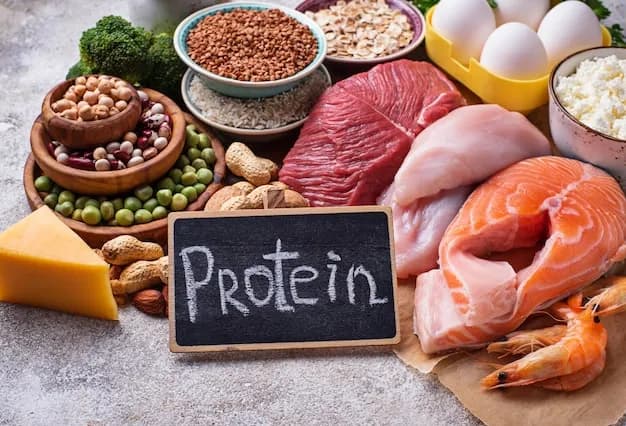

Have you ever wondered why protein is considered a crucial nutrient for your overall health and well-being? In this blog post, we will explore the topic by delving into scientific studies to uncover the undeniable importance of protein in your diet.
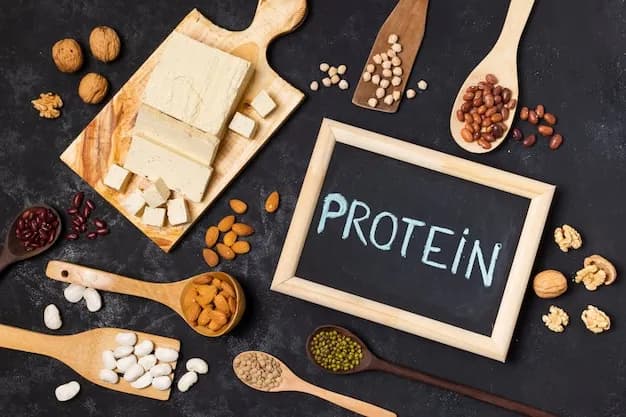
Have you ever wondered how protein intake affects muscle mass? According to a study published in the Journal of the American Medical Association (Paddon-Jones et al., 2008), older adults who engaged in regular strength training and consumed a high-protein diet experienced significantly greater muscle mass and strength compared to those with a low-protein diet. This suggests that protein intake is not only vital for preserving muscle mass but also for building it, which becomes increasingly crucial as we age.

Are you looking to shed some extra pounds? Protein can play a significant role in your weight loss journey. Research published in the Journal of Nutrition (Leidy et al., 2011) demonstrated that individuals who followed a high-protein diet experienced more significant loss of body fat and preserved lean muscle mass compared to those on a low-protein diet. Additionally, another study by Leidy et al. (2015) highlighted that protein has higher satiety levels, leading to reduced overall calorie intake and aiding in weight loss efforts.
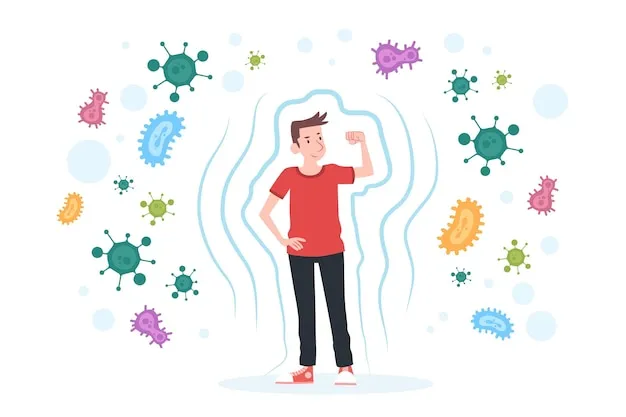
Did you know that protein intake can impact your immune system? A study published in the Journal of the American College of Nutrition (Kerksick et al., 2006) indicated that a diet rich in protein contributes to a stronger immune response. Adequate protein intake is vital for the production of antibodies and maintaining the health and function of immune cells, which play a crucial role in defending the body against pathogens.
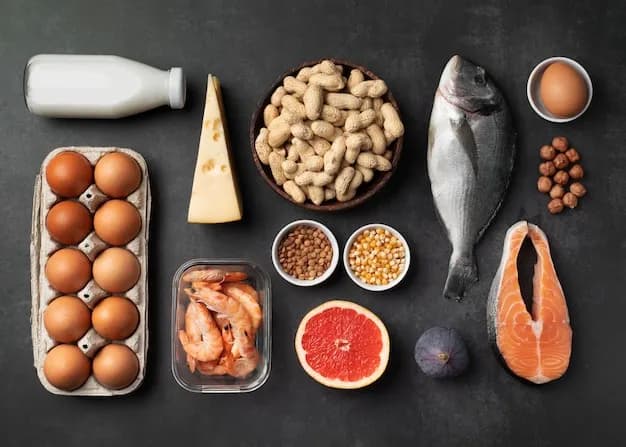
Not all proteins are created equal. When it comes to protein quality, animal-based sources take the lead. Animal proteins, such as meat, fish, eggs, and dairy products, are considered complete proteins as they contain all the essential amino acids. In contrast, plant-based proteins, such as beans, nuts, and grains, are often incomplete proteins, lacking one or more essential amino acids. However, by consuming a varied combination of plant-based protein sources, individuals can still obtain all the necessary amino acids (World Health Organization, Food and Agriculture Organization of the United Nations, 2007).
Conclusion:
After examining scientific studies, it is evident that protein plays a crucial role in your diet. It is essential for maintaining muscle mass, aiding in weight loss, and supporting a healthy immune system. Remember to include a variety of high-quality protein sources in your diet, incorporating both animal-based and plant-based options, to ensure you obtain all the essential amino acids necessary for optimal health.
References:
Paddon-Jones, D., et al. (2008). Protein supplementation increases muscle mass in older adults. Journal of the American Medical Association, 299(9), 1033-1041.
Leidy, H. J., et al. (2011). The effects of consuming frequent, higher protein meals on appetite and satiety during weight loss in overweight/obese men. Journal of Nutrition, 141(4), 5-7.
Leidy, H. J., et al. (2015). The role of protein in weight loss and maintenance. American Journal of Clinical Nutrition, 101(6), 1320S-1329S.
Kerksick, C. M., et al. (2006). Impact of a high-protein diet on various health parameters in healthy adults. Journal of the American College of Nutrition, 25(3), 231-239.
World Health Organization, Food and Agriculture Organization of the United Nations. (2007). Protein and amino acid requirements in human nutrition: Report of a joint WHO/FAO/UNU expert consultation. Geneva, Switzerland: World Health Organization.